Authentic Texture: Using Distressed Wood Sublimation Backgrounds
In the world of digital design, there is a constant battle against sterility. We often start with clean, perfect vectors and crisp photography, but the final product can sometimes feel a bit too polished, lacking the soul and history that comes with natural elements. This is where the magic of texture comes in, and specifically, the raw, organic appeal of distressed wood. For creators working in the sublimation space, finding high-quality assets that translate well to physical products is crucial. You need files that are not just visually striking but also technically sound for the heat-press process.
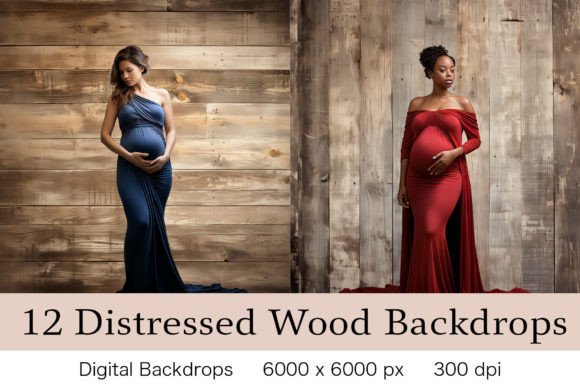
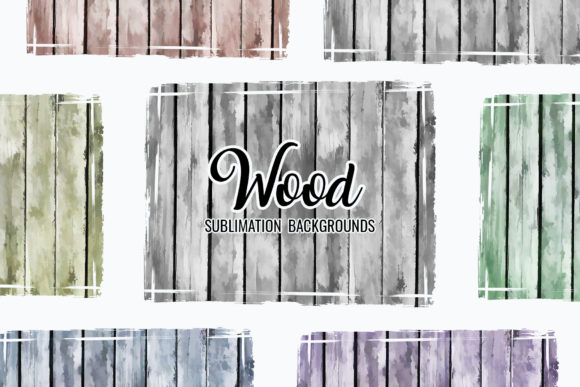
The collection of Distressed Wood Sublimation Backgrounds we are discussing today is designed to bridge that gap between digital perfection and tactile reality. These aren't just random stock photos; they are curated, handcrafted assets intended to bring an authentic, rustic aesthetic to your creative projects. Whether you are designing apparel, home décor, or stationery, understanding how to leverage these textures is key to elevating your brand identity and product quality.
The Anatomy of a Perfect Distressed Texture
When you look at a piece of reclaimed barn wood or an old weathered dock, you see a story. The grain is deep, the knots are prominent, and the surface tells a tale of exposure to the elements. The best Distressed Wood Sublimation Backgrounds capture this narrative digitally. Visically, these assets typically feature a mix of deep grain lines, scratches, knots, and subtle color variations that mimic the patina of aged timber. They possess a personality that is rugged, vintage, and inherently warm.
However, the appeal isn't just about looks; it is about technical utility. For sublimation printing, resolution is king. A blurry or pixelated texture becomes glaringly obvious when printed on a large t-shirt or a ceramic mug. This specific set offers 12x12 IN (3600x3600 PX) at 300 DPI. Let’s break down why that matters for your design assets:
- Resolution: At 3600x3600 pixels, these backgrounds are high-resolution enough to cover the full printable area of a sublimation transfer without needing to tile awkwardly. This ensures a crisp finish on the final product.
- Format: The files are delivered as Transparent PNGs. This is a critical feature for professional designers. Unlike a JPG where the background is static, a transparent PNG allows you to layer the wood texture over other colors or images. You can place a white base layer for a bright wood effect, or layer it over a dark background for a moody, shadowed look.
- Scale: The 12x12 inch size is the industry standard for digital scrapbooking and sublimation tiles, making it easy to fit into your existing workflow without constant resizing.
Visual Style and Brand Perception
Using distressed textures is more than just an aesthetic choice; it is a strategic branding decision. In modern typography and logo design, texture adds depth and helps ground a composition. When you apply a distressed wood background to your graphics, you are communicating specific values to your audience without saying a word.
For a small business selling artisanal goods, these backgrounds suggest craftsmanship and tradition. For a rugged outdoor brand, they imply durability and a connection to nature. Even in digital spaces, such as social media graphics or website banners, a subtle wood grain can make a design feel more "human" and approachable compared to a flat, solid color. It influences the viewer's perception, making the content feel tangible and real.
Practical Applications: Beyond the T-Shirt
While the name suggests sublimation, the utility of high-quality wood backgrounds extends far beyond the heat press. As a creative professional, you can integrate these assets into a wide variety of projects. Here is how you can maximize the value of these files:
- Apparel and Sublimation Crafts: This is the primary use case. These backgrounds are perfect for creating "vintage" or "retro" style t-shirts. You can overlay typography—using a bold serif font or a rugged handwritten font—directly onto the wood texture. They also work beautifully on mugs, coasters, and mousepads where a tactile feel is desired.
- Editorial and Packaging Design: If you are working on a magazine layout or product packaging for a coffee brand or a brewery, distressed wood provides an excellent background for text boxes. It creates a natural contrast that helps typography pop, especially if you are using a clean sans serif font for readability.
- Digital Marketing and Web Design: Use these textures as hero image backgrounds on a website landing page to break up the monotony of flat design. They are excellent for creating "quote cards" for Instagram or Pinterest, giving your social media graphics a consistent, branded look that stops the scroll.
- Stationery and Invitations: For wedding invitations or event branding with a rustic theme, these backgrounds offer a high-end, premium font feel when paired with elegant script fonts. The texture adds a layer of sophistication that plain cardstock cannot replicate.
Strategic Integration and Font Pairing
One of the most common mistakes designers make with textured backgrounds is neglecting the hierarchy. A busy wood grain can swallow up delicate typography. To maintain professionalism and readability, you need to be strategic about how you pair these backgrounds with your typefaces.
When working with Distressed Wood Sublimation Backgrounds, consider the following design observations:
- Contrast is Key: If the wood grain is very detailed and dark, opt for lighter, bolder fonts. A heavy display font or a thick sans serif font works best here. Avoid thin, light-weight typefaces as they will get lost in the texture.
- Use Knockout Text: Instead of placing text on top of the wood, try using the wood texture as a fill for the text itself (knockout text). This creates a cohesive look where the typography and the background are one unified element.
- Add a Separator: If you must use a lighter or more intricate font (like a script font), place a semi-transparent shape—such as a white box or a dark banner—behind the text. This creates a "safe zone" for readability while allowing the wood texture to frame the content.
- Color Grading: Because the PNGs are transparent, you have control over the mood. Tinting the wood with a warm orange overlay creates a sunset/golden hour vibe, while a desaturated blue-grey tint creates a cooler, more modern industrial look.
Evaluating Fit for Your Project
Before you finalize a design, always ask: "Does this texture support the message?" If you are designing for a tech startup, distressed wood might send the wrong signal. However, for anyone in the lifestyle, home décor, food, or outdoor niche, it is a versatile tool.
When evaluating these files, look at the "distress level." Some backgrounds in the set might have heavy scratches and peeling paint effects, while others might just be a subtle grain. Choose the one that matches the intensity of your typography. A vintage serif font pairs well with heavily distressed wood, while a modern geometric font might look better against a cleaner, lighter grain.
Finalizing Your Design Assets
Efficiency is vital for entrepreneurs and small business owners. Having a go-to set of Distressed Wood Sublimation Backgrounds means you spend less time searching for textures and more time creating. The inclusion of 6 different variations allows you to offer variety to your customers without straying from your established aesthetic.
Remember that these are design assets, not just decorations. Use them to build a visual library. When you combine these high-resolution textures with strong typography and a clear brand strategy, you create products that don't just look good on a screen—they feel substantial in the hand. Whether you are printing a mug for a local coffee shop or designing a t-shirt line for an online store, starting with a solid foundation of high-quality, handcrafted backgrounds ensures your final product is built to last.