Bring Authentic Texture to Your Projects with Distressed Wood Backgrounds
There’s a certain quality to aged wood that instantly communicates history, craftsmanship, and warmth. It’s a texture that feels both rugged and inviting. In the digital world, capturing that authentic, tactile feel can be a challenge. This is precisely where a thoughtfully crafted set of distressed wood backgrounds becomes an invaluable design asset. It’s not just about a pattern; it’s about injecting a layer of narrative and authenticity into your visual work.
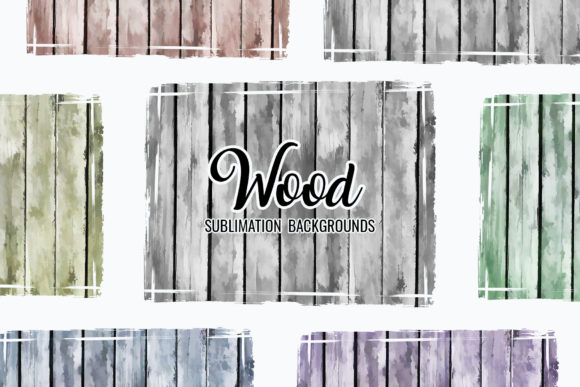
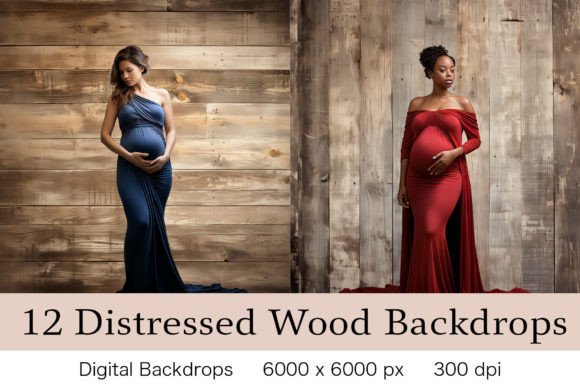
This particular bundle offers a collection of 12 high-resolution digital backdrops, each with a distinct distressed wood character. The visual style leans into the beauty of imperfection—think subtle grain variations, weathered knots, and gentle wear marks that tell a story of time and use. The personality is rustic yet versatile, capable of feeling cozy and traditional or edgy and industrial, depending on the context. Its overall appeal lies in its ability to ground digital creations with a sense of organic reality, providing a sophisticated alternative to flat, sterile backgrounds.
Where This Texture Truly Shines
The applications for a distressed wood background are surprisingly broad, extending far beyond simple decoration. For brand identity and logo design, it can serve as a powerful foundation. Imagine a boutique coffee roaster, a handcrafted furniture maker, or an artisanal soap brand using this texture as a subtle backdrop for their logo or on their packaging. It immediately communicates values of authenticity, handcrafted quality, and natural materials without a single word.
In editorial design and publishing, these backgrounds excel. A cookbook featuring farm-to-table recipes, a magazine spread on vintage restoration, or a blog header for a DIY woodworking channel would benefit immensely. The texture adds visual interest and supports the content’s theme, enhancing reader engagement. For social media graphics, it’s a secret weapon for creating scroll-stopping posts. Use it behind a quote graphic for a motivational speaker, a product announcement for a small business, or a thumbnail for a YouTube video on home décor. The depth and character help your content stand out in a crowded feed.
Digital entrepreneurs and marketers can leverage this asset in web design for hero sections, feature backgrounds, or call-to-action areas, especially for brands in the lifestyle, outdoor, or craft sectors. For packaging design, it’s a natural fit, lending a premium, artisanal feel to product labels, tags, and inserts. Even for personal projects—like creating custom invitations, scrapbooking digitally, or designing unique desktop wallpapers—this bundle provides a rich, professional-grade foundation.
Integrating Texture with Intention: A Practical Guide
Simply placing a distressed wood background behind your content isn’t enough. The key to using it effectively lies in intentional integration, which requires a working knowledge of layers and masks in software like Adobe Photoshop. This isn’t a static, one-size-fits-all graphic; it’s a design asset meant to be manipulated and combined with other elements.
First, consider readability and visual hierarchy. A busy, heavily textured wood can compete with text. The solution is to use layer masks to selectively reveal the texture. You might mask it out entirely behind a block of body copy, allowing only the edges or a peripheral area to show through. Alternatively, you can reduce the texture’s opacity or apply a subtle color overlay to mute it, ensuring your primary message remains clear and legible. This technique maintains the atmospheric benefit without sacrificing function.
When it comes to font pairing, the distressed wood background creates a specific mood that your typography must complement. A clean, modern sans-serif font can create a striking contrast, making the design feel contemporary yet grounded. A classic serif font might enhance the traditional, authoritative feel. For a more thematic approach, a carefully chosen script font or handwritten font can amplify the personal, artisanal vibe—but use these sparingly for headlines or accents to avoid overwhelming the design. The goal is harmony, not competition.
Evaluate the included styles within the bundle. Do the 12 variations offer enough diversity for your needs? Some might be lighter, some darker; some might have a more pronounced grain, others a smoother, painted-over look. Selecting the right one depends on your project’s color palette and the emotional tone you wish to set. Always test your chosen background with your actual project elements—your logo, your photos, your text blocks—before finalizing. This hands-on test is the best way to judge fit.
Finally, a note on commercial use. Since this is a digital download bundle, it’s crucial to review the licensing terms. Most reputable premium font and asset providers allow for commercial use in end projects, but it’s your responsibility to confirm the specifics. Ensure the license covers your intended use, whether it’s for a client’s website, products for sale, or marketing materials. This due diligence protects both you and the original creator.
In essence, this collection of distressed wood backgrounds is more than just a set of images. It’s a versatile tool for adding depth, story, and a tangible sense of quality to a wide array of creative projects. By using it thoughtfully—masking, pairing, and integrating with purpose—you can elevate your designs from merely digital to authentically engaging.