Blue Watercolor Backgrounds: A Versatile Asset for Modern Design
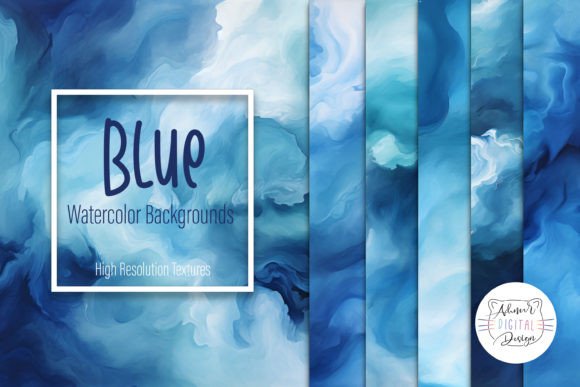
Finding the right visual foundation for a project can be a game-changer. It sets the mood, supports your message, and creates a professional canvas for your content. That’s where a resource like Blue Watercolor Backgrounds comes in. This collection isn't just a set of images; it's a toolkit for adding depth, texture, and a touch of organic elegance to a wide variety of creative work. The set includes six distinct graphic elements, each delivered in high-resolution JPEG format at 300 DPI, ensuring crisp, clean results for both digital and print applications.
The Personality and Appeal of Watercolor Texture
Watercolor as a medium carries a unique personality. It’s fluid, slightly unpredictable, and inherently artistic. The Blue Watercolor Backgrounds collection captures this essence beautifully. The blues range from soft, airy washes perfect for a calm, trustworthy feel to deeper, more saturated tones that convey stability and depth. The textures are cleanly rendered, avoiding muddy or overly chaotic patterns, which makes them incredibly versatile. They provide visual interest without overwhelming the primary content you place on top of them.
This style strikes a perfect balance between handcrafted charm and modern cleanliness. It’s less formal than a solid color block but more structured than a fully abstract paint splash. This makes it an excellent choice for projects that need to feel approachable, creative, and professional all at once. Whether you're designing a logo, crafting social media graphics, or laying out an editorial spread, these backgrounds add a layer of sophistication that feels both current and timeless.
Practical Applications Across Creative Projects
The real value of design assets like these lies in their application. Let's break down where Blue Watercolor Backgrounds can make a significant impact.
For Brand Identity and Marketing
Consistency is key in branding. Using one or two of these backgrounds across your marketing materials—business cards, letterheads, website banners, and email newsletters—can create a cohesive and recognizable look. For a wellness brand, a soft blue wash communicates calm and serenity. For a tech startup, a cleaner, sharper blue texture can suggest innovation and reliability. The backgrounds work exceptionally well behind typographic elements, especially when pairing a script font or handwritten font for a logo with a clean sans serif font for body text. This combination leverages the premium font feel of the watercolor with the readability of modern type.
For Digital Content and Web Design
In the digital space, texture can combat the sterile feel of flat design. Use these backgrounds for website hero sections, blog post featured images, or podcast cover art. They’re ideal for creating visually appealing quote graphics for social media platforms like Instagram or Pinterest. The 300 DPI resolution ensures they look sharp even when scaled. When considering web design, they can be used as section dividers or subtle page backgrounds, adding depth to your visual hierarchy and improving audience engagement.
For Publishing and Editorial Design
Publishers and content creators can use these elements to design compelling book covers, magazine layouts, or report covers. A watercolor background can instantly elevate a simple text-based design, making it more marketable and professional. For editorial design, they work beautifully as chapter title pages or as a unifying element in a publication's style guide, contributing to overall brand perception and consistency.
For Personal and Commercial Craft Projects
The applications extend beyond digital and print marketing. Crafters and hobbyists can use these backgrounds for DIY wedding invitations, party decorations, custom stationery, or digital scrapbooking. For small business owners selling physical products, they can be used in packaging design inserts, thank-you cards, or product photography backdrops to create a cohesive and professional unboxing experience.
Making the Most of Your Design Assets
Integrating new assets into your workflow requires a bit of strategy. Here’s some practical guidance for using the Blue Watercolor Backgrounds effectively.
- Evaluate Project Fit: Before diving in, consider the project's tone. Does it call for an organic, artistic feel? If yes, these backgrounds are likely a strong fit. They are less suited for projects requiring a strictly corporate or minimalist aesthetic.
- Test Font Pairings: The success of a design often hinges on typography. Place your chosen typeface over the background and assess readability. High-contrast pairings, like a bold white display font on a medium-toned blue wash, typically work best. Ensure there's enough contrast between the text and the background's texture to maintain clarity.
- Use for Hierarchy: Employ the backgrounds to guide the viewer's eye. Use a more vibrant or textured background for key elements like a main headline or a call-to-action button, and a subtler one for secondary information. This creates a clear visual hierarchy.
- Review the Files: The collection includes six different JPEG files. Take time to review each one. Some may have more pronounced textures, while others are softer. Matching the specific background's intensity to your design's needs is crucial.
- Consider Commercial Licensing: For entrepreneurs and small business owners, it's important to understand the usage rights. This asset is typically provided with a license that allows for both personal and commercial use, but always double-check the specifics to ensure your intended use, especially for items for sale, is covered.
Ultimately, Blue Watercolor Backgrounds are more than just decorative elements. They are functional design assets that can solve common creative challenges, from establishing a unique brand identity to enhancing the professionalism of your marketing materials. By thoughtfully integrating them into your projects, you can create work that is visually compelling, emotionally resonant, and consistently polished.