Watercolor Rustic Farmhouse Backgrounds: A Designer’s Guide to Authentic Charm
There’s a specific feeling that comes with a well-executed rustic design. It’s warm, inviting, and feels genuinely handcrafted, not sterile or mass-produced. For designers and creators, capturing that authentic, textured look can be a challenge, especially when working digitally. This is where a versatile design asset like Watercolor Rustic Farmhouse Backgrounds becomes indispensable. It’s not just a collection of patterns; it’s a toolkit for building visual stories rooted in simplicity and charm.
Understanding the Visual Language of Rustic Watercolor
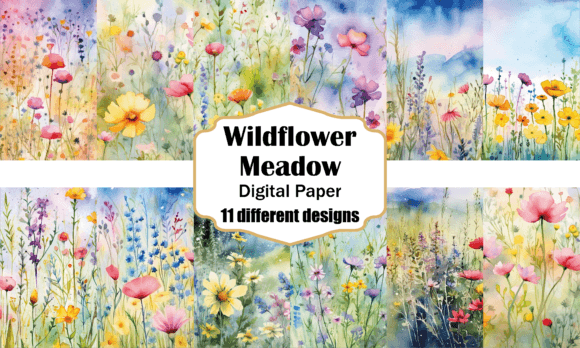
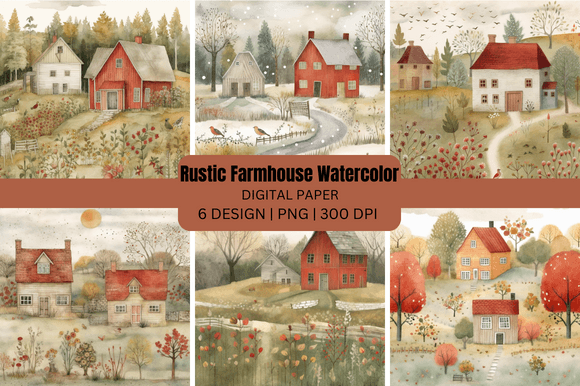
At its core, this style combines the organic, imperfect beauty of watercolor washes with the familiar, comforting motifs of farmhouse decor. Think of soft, bleached wood grains, subtle linen textures, and the gentle bleed of watercolor pigments. The personality is one of authenticity and lived-in comfort. It avoids sharp, perfect lines in favor of soft edges and natural variations, which immediately gives projects a human touch. This visual language speaks to a desire for simplicity and connection to traditional craftsmanship, making it incredibly appealing across a wide demographic.
The true power of these backgrounds lies in their versatility as a foundational layer. They provide a rich, textured canvas that allows other design elements—whether a bold display font, a clean sans serif font, or elegant script font—to shine without competing. For a logo design, a soft watercolor background can add depth and personality. In packaging design, it conveys artisanal quality and care. For editorial design and social media graphics, it creates an immediate, scroll-stopping aesthetic that feels curated and thoughtful.
Practical Applications Across Creative Projects
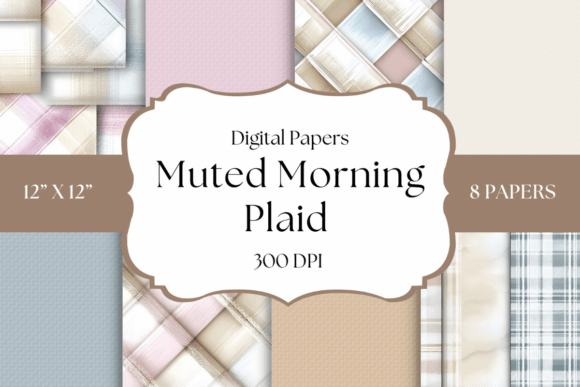
The included 12x12 inch, 300 DPI PNG files are built for real-world use. This high resolution ensures crisp results whether you’re designing for print or digital screens. Here’s how different creators can leverage this asset:
- For Print-on-Demand & Sublimation: The seamless, high-resolution nature makes these perfect for all-over prints on t-shirts, tote bags, and blankets. The watercolor texture prevents designs from looking flat or digital, adding a premium, tactile feel to products.
- Greeting Cards & Invitations: Pair these backgrounds with a beautiful handwritten font or a classic serif font to create stationery that feels personal and heartfelt. The texture adds a layer of sophistication that plain card stock can’t match.
- Digital Products & Web Design: Use them as website hero backgrounds, blog post headers, or ebook covers to establish a cohesive, warm brand identity. They work exceptionally well for brands in the lifestyle, wellness, home decor, or artisan food spaces.
- Crafts & DIY Projects: For hobbyists, these backgrounds are a goldmine. Print them onto sticker paper, use them in scrapbooking, or as a base for decoupage projects. The possibilities are limited only by imagination.
When integrating these backgrounds, consider the principles of visual hierarchy. The texture should support your message, not overwhelm it. A busy background paired with a highly decorative script font can become illegible. Instead, use the background to frame a clear area of solid color or white space where your primary text can live. This ensures readability while maintaining the desired aesthetic.
Integrating Texture into Your Brand Strategy
Choosing a design asset like this is a strategic decision. It’s about more than just picking a pretty pattern; it’s about aligning visual elements with brand values. A rustic watercolor aesthetic communicates warmth, authenticity, and attention to detail. It can make a small business appear approachable and trustworthy. For content creators and bloggers, it establishes a recognizable, cozy atmosphere that audiences connect with emotionally.
Before applying it broadly, test how it interacts with your existing design assets. Does it complement your primary typeface? Does the color palette within the watercolor wash harmonize with your brand colors? Create a small mood board. Lay your logo, a sample of body copy, and a call-to-action button over the background. Evaluate the font pairing and overall cohesion. The goal is consistency—a unified look that strengthens brand perception and recognition across all touchpoints.
Remember, the best results come from thoughtful application. Use these backgrounds to add a layer of depth and story. They are a starting point, a powerful design asset in your toolkit, ready to be combined with strong typography and clear messaging to create work that resonates. By focusing on how the texture serves the overall design’s purpose—whether it’s to sell a product, share a story, or build a community—you move beyond decoration and into effective, engaging visual communication.