Watercolor Sublimation Backgrounds: A Practical Guide for Crafters and Designers
There’s a certain magic in watercolor—the way colors bleed and blend with an organic, hand-painted feel that digital tools often struggle to replicate authentically. For creators working with sublimation, capturing that magic is key to making products stand out. This is where a dedicated set of Watercolor Sublimation Backgrounds becomes an invaluable asset in your design toolkit. These aren't just generic textures; they are handcrafted, high-resolution foundations designed specifically to bring that authentic, artistic touch to your commercial and personal projects.
Understanding the Asset: More Than Just a Pretty Texture
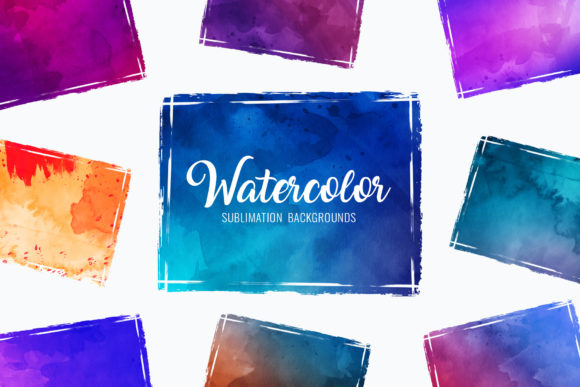
At its core, this collection provides nine transparent PNG backgrounds. Each file is sized at 12x12 inches with a resolution of 300 DPI, which is the standard for high-quality print production. The "transparent" aspect is crucial—it means the watercolor washes and bleeds stand alone without a solid white or colored background. This gives you immense flexibility. You can layer them over solid colors, other patterns, or photographs, allowing the underlying design to show through the organic watercolor shapes. It’s a versatile design asset that functions much like a premium font family, offering a consistent visual language across different applications.
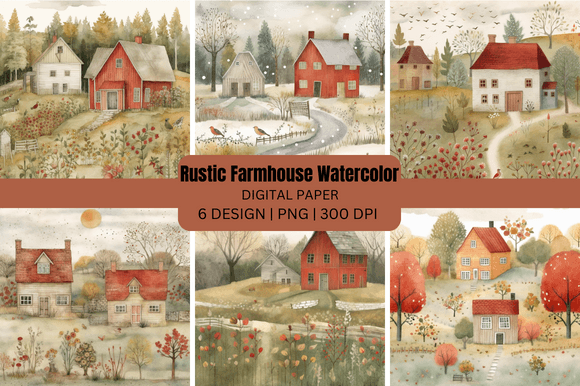
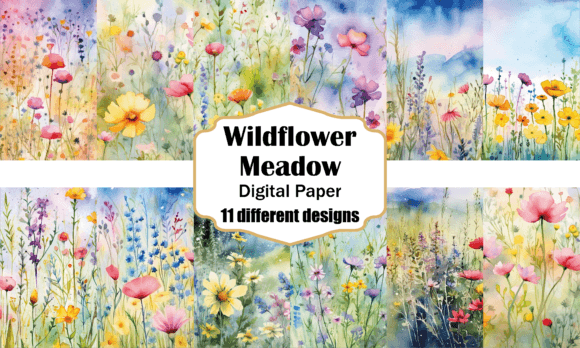
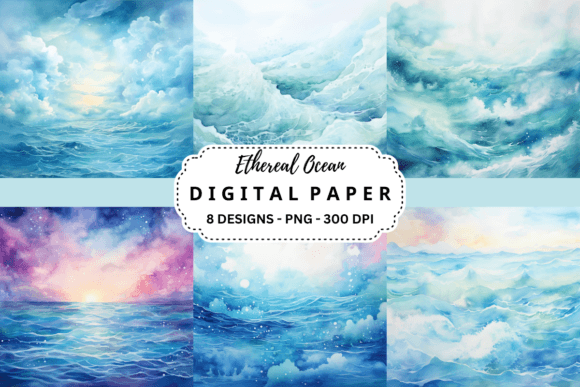
The visual personality of these backgrounds is soft, fluid, and slightly unpredictable, mirroring real paint on paper. They evoke creativity, warmth, and a handcrafted quality. This style is perfect for projects that aim to feel approachable, artisanal, or whimsical. Unlike a rigid geometric pattern, watercolor has a natural rhythm that can guide the viewer's eye and add depth without overwhelming the main content, be it a logo, text, or a central graphic.
Where These Backgrounds Shine: Real-World Applications
The true test of any design asset is its practical utility. These watercolor sublimation backgrounds excel across a spectrum of creative and commercial projects, particularly within the sublimation crafting niche. Their primary use is as a base layer for sublimation printing on polyester fabrics and coated hard surfaces.
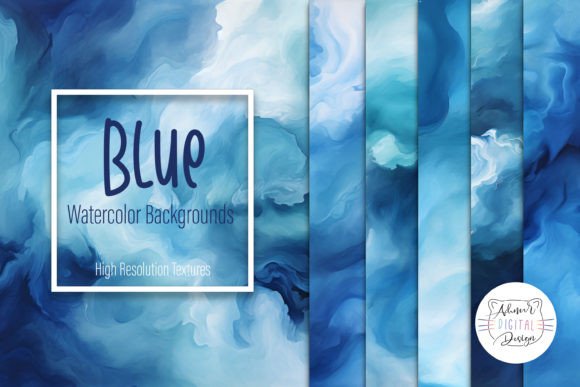
For apparel and accessories, imagine using a soft blue watercolor background for the body of a t-shirt, creating a serene, dreamy effect. A vibrant, multi-hued wash could form the base for a tote bag or a pillowcase, making the item feel unique and artistic. The 12x12 inch size is ideal for standard shirt placements, and the high DPI ensures the printed fabric retains the delicate details of the watercolor texture without pixelation.
Beyond apparel, these backgrounds are perfect for drinkware and home decor. A watercolor wash can turn a simple ceramic mug into a piece of art. You could apply a gentle pastel background and then sublimate a monogram or a motivational quote on top, creating a personalized gift or a product for your online store. The same principle applies to coasters, phone cases, and even decorative tiles. The transparent PNG format allows you to easily combine the background with other design elements in software like Adobe Photoshop, Canva, or Procreate.
For digital and print publishing, the applications are just as broad. Use them as subtle backgrounds for social media graphics, blog post headers, or digital invitations. In editorial design, a watercolor background can add a touch of elegance to a magazine layout or a book cover. For small business owners, incorporating these backgrounds into brand identity materials—like business cards, thank-you notes, or packaging inserts—can reinforce a brand personality that is creative, caring, and detail-oriented. It’s a way to use modern typography and design assets together to build a memorable visual presence.
Integrating Watercolor into Your Design Workflow
Working with these backgrounds effectively requires a bit of practical strategy. First, consider color harmony. While the backgrounds come as-is, you can easily adjust their hue and saturation in your design software to match your brand’s color palette or the specific project’s theme. This flexibility is a huge advantage over a fixed-color asset.
Layering is your best friend. Since the PNGs are transparent, experiment with stacking them. Place a bold watercolor wash behind a more delicate one to create complexity and depth. You can also use layer masks to reveal only parts of the background, creating interesting compositions that direct focus. Think of it like pairing fonts; you wouldn’t use two competing script fonts together. Similarly, you might use a more saturated watercolor background for a focal point and a very faint, diluted one for supporting elements.
Readability is paramount, especially when adding text. The organic nature of watercolor can sometimes create busy areas. To ensure your text remains clear, use a solid or semi-transparent shape as a text box over a less detailed section of the background. Alternatively, choose a typeface with good weight and contrast. A clean sans serif font often pairs beautifully with the softness of watercolor, creating a balanced visual hierarchy. For logos or headlines, a bold serif or a carefully chosen display font can make a striking statement against a watercolor backdrop.
Finally, always consider the end product’s physical constraints. For sublimation, ensure your design is mirrored if required by your process and that the background extends fully to the edges of your template to avoid unwanted white borders. Test print on a small area or use a mockup to preview how the colors will look on the final substrate, as screen colors can differ from printed results.
In essence, this set of Watercolor Sublimation Backgrounds is more than a decorative element. It is a functional, professional-grade tool designed to save you time and elevate the quality of your output. By understanding its characteristics and applying it thoughtfully, you can consistently produce beautiful t-shirts, mugs, colorful art, and more that resonate with a crafted, authentic feel. It’s about leveraging a quality design asset to enhance your creative expression and, for many, to build a more compelling and profitable product line.