Stained Glass Flower Backgrounds for Creative Design
The Artistic Appeal of Digital Stained Glass
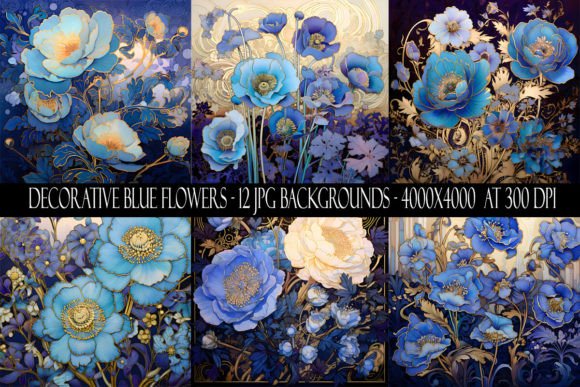
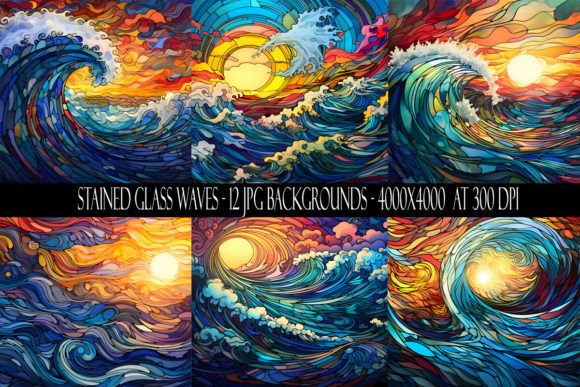
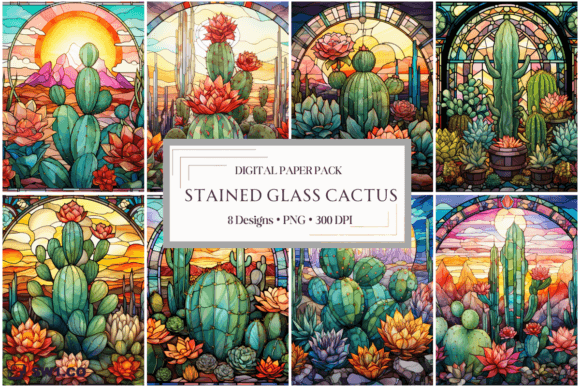
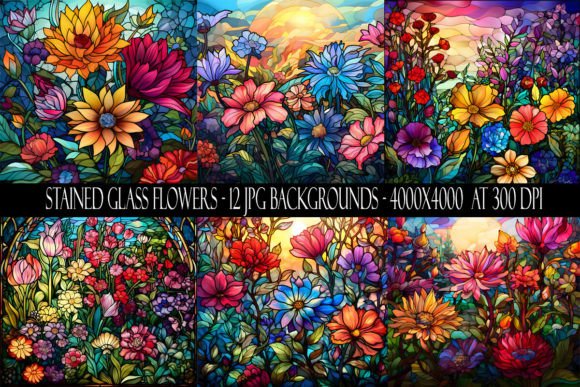
There is a specific kind of light that filters through leaded glass—a glow that feels both nostalgic and vibrant. Stained Glass Flower Backgrounds capture that luminous quality in a digital format, offering a unique alternative to standard floral patterns or flat color washes. These designs are not just pictures of flowers; they are intricate mosaics where petals, leaves, and stems are defined by bold, dark lines and filled with rich, jewel-toned hues. The visual personality is one of craftsmanship and detail. It evokes the feeling of antique artistry, cathedral windows, and artisanal craft, yet the high-resolution format ensures it fits perfectly into modern digital workflows.
The style of these backgrounds is inherently decorative. Unlike minimalist textures or subtle watercolor washes, stained glass designs demand attention. They feature a distinct interplay of opacity and light simulation. The "leading" (the dark lines) provides strong structural definition, while the colored sections can range from deep emeralds and rubies to softer, translucent pastels, depending on the specific design. This creates a dynamic surface that adds depth and weight to any composition. For designers seeking to break away from the flat, geometric trends of recent years, these backgrounds offer a return to organic complexity and visual richness.
Where These Backgrounds Fit Best
Understanding the context where Stained Glass Flower Backgrounds shine is key to using them effectively. Because of their ornate nature, they function exceptionally well as statement pieces. In editorial design, they can serve as striking chapter dividers or full-bleed backgrounds for magazine covers, particularly for issues focusing on gardening, history, architecture, or luxury lifestyle. The intricate patterns provide enough visual interest to fill a page without needing heavy overlay elements.
For brand identity, these backgrounds are a perfect match for businesses that want to communicate heritage, patience, and attention to detail. Think of a boutique perfume brand, a high-end tea shop, a florist specializing in rare blooms, or a bespoke stationery designer. Using a stained glass texture on a business card or product label immediately sets a tone of elegance and tradition. It tells the customer that the brand values artistry over mass production.
In the realm of digital assets, the applications are just as diverse. Content creators on platforms like Patreon or Substack can use these as unique banner images or member-exclusive wallpapers. The 4000 x 4000 pixel resolution at 300 dpi is particularly crucial here; it ensures that the fine lines of the "glass" remain crisp even when zoomed in or cropped for social media headers. For packaging design, these patterns work beautifully for wrapping paper, box liners, or tissue paper, adding a tactile, premium feel to the unboxing experience.
Practical Guidance for Designers and Creators
When working with a dense, patterned background like this, the main challenge is maintaining readability. The visual noise of the floral mosaic can easily swallow text if you aren't careful. The most effective strategy is to create contrast through negative space. Rather than overlaying a headline directly onto the busiest part of the image, consider placing a semi-transparent shape—like a matte rectangle, a soft vignette, or a solid color block—over the area where your text will sit. This allows the beauty of the Stained Glass Flower Background to frame the content without competing with it.
Font pairing is another critical consideration. Because the backgrounds are ornate and "busy," your typography should generally lean toward simplicity. A clean sans serif font often provides the best balance, offering a modern counterpoint to the vintage texture of the glass. However, if you are aiming for a fully vintage or gothic aesthetic, a sturdy serif font with high legibility can work, provided the text color contrasts sharply with the background hues. Avoid overly complex script fonts or handwritten fonts for body copy, as the details of the letterforms might get lost in the details of the glass shards.
Leveraging the Digital Pack
This collection is designed for practicality. The inclusion of 12 distinct JPG backgrounds means you have a variety of color palettes and floral arrangements to rotate through, helping you maintain visual consistency across a campaign without becoming repetitive. The files are provided in a zip format, which is standard for transferring large design assets, and the removal of the watermark upon download ensures your final output is clean and professional.
One of the most significant advantages of this pack is the licensing. The commercial and Print On Demand (POD) license opens up a wide avenue for entrepreneurs. You are not just limited to using these for client presentations or personal mood boards. You can legally apply these designs to products you sell. This includes physical items like posters, phone cases, tote bags, and mugs, as well as digital products like printable wall art or planner inserts. For small business owners, this removes the legal ambiguity that often surrounds stock imagery. You can integrate these premium backgrounds into your product line with confidence.
Final Thoughts on Integration
When integrating these files into your workflow, remember that they are non-seamless. This means you cannot tile them infinitely to cover a large surface area without visible edges. Instead, treat each file as a standalone panel or a distinct background layer. This limitation actually works in their favor, reinforcing the look of a specific, framed window pane rather than a repeating wallpaper pattern. Use the full 4000x4000 canvas for large format printing, or crop in tight to focus on specific floral elements for smaller graphics like Instagram posts or stickers. By treating these backgrounds as the art pieces they are, you elevate the perceived value of your own creative projects.